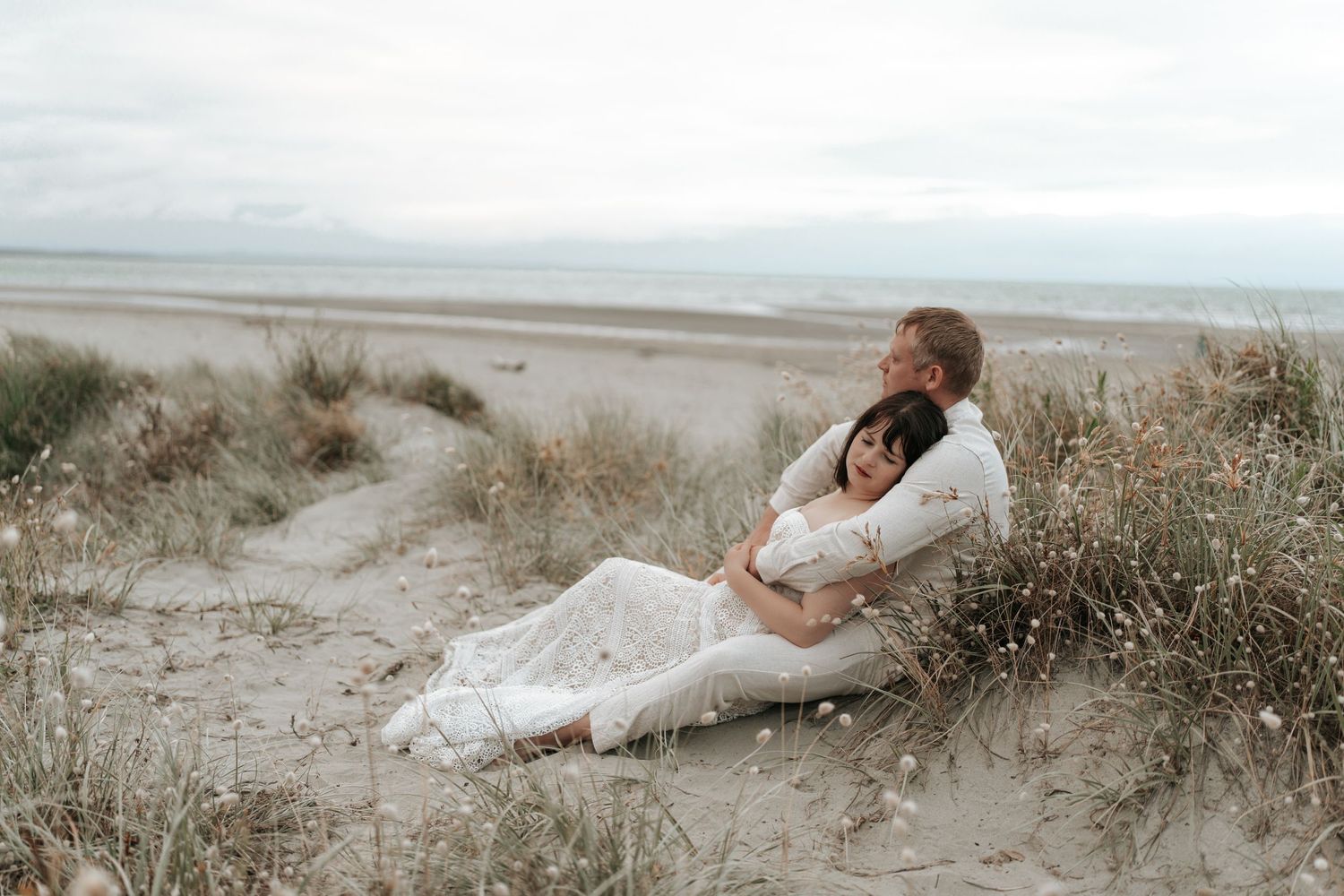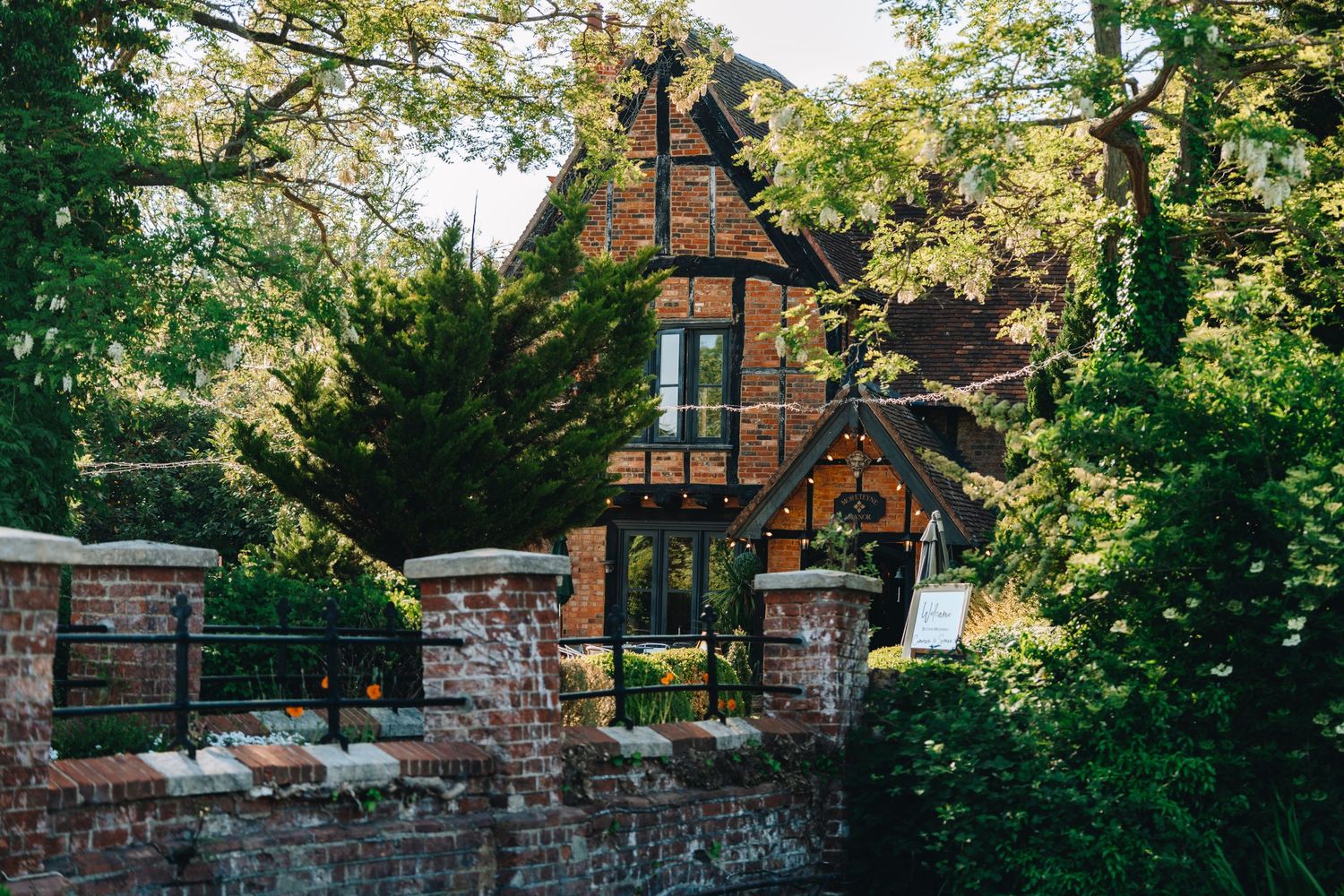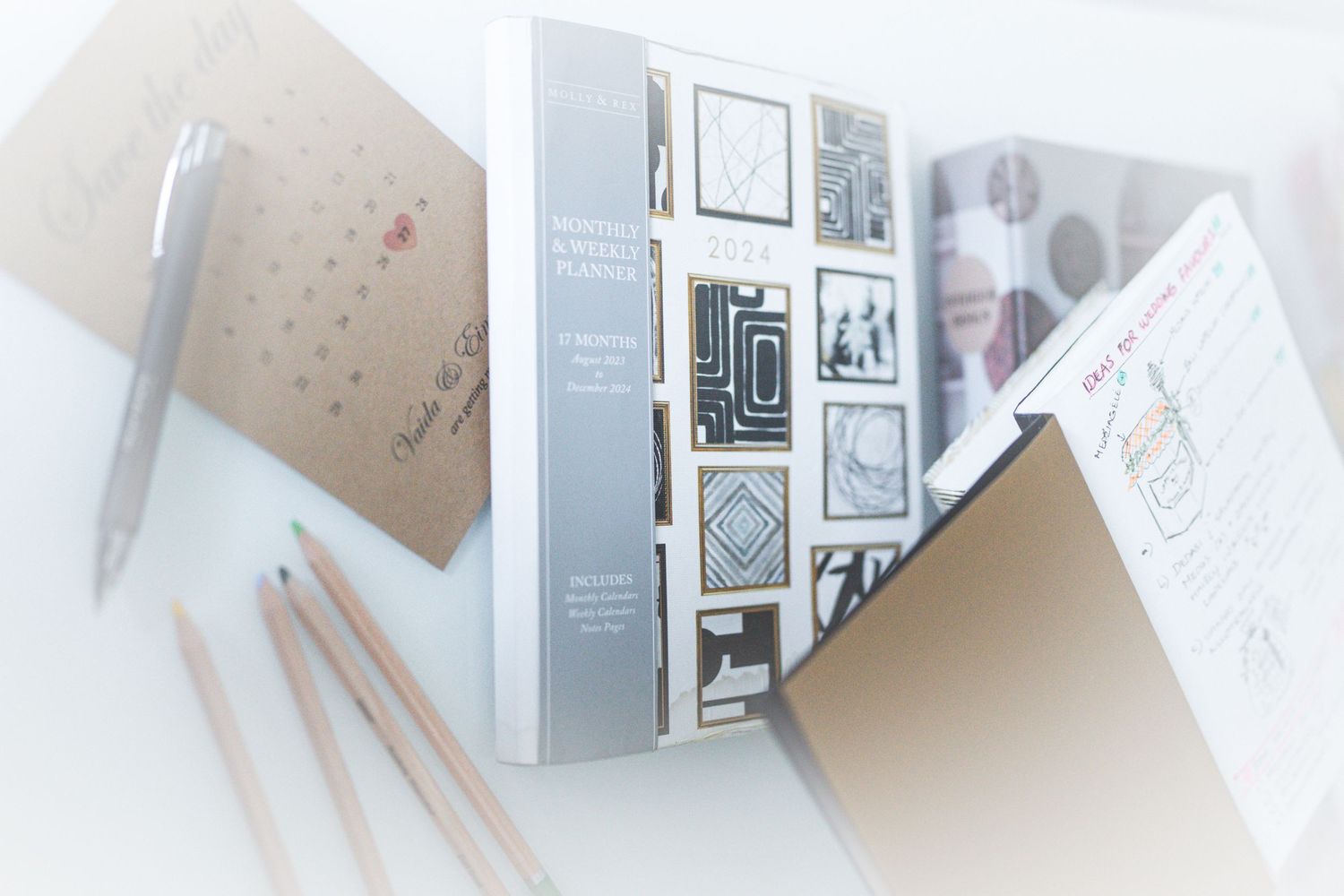
Congratulations on your engagement! The journey to 'I do' is an exciting adventure filled with love, dreams, and meticulous planning. To help you navigate this beautiful chapter, we've crafted a comprehensive guide that breaks down the essential elements to consider when organizing your special day.
In this article, we will outline 18 detailed steps to help you prepare for your wedding day, ensuring that you're fully equipped and ready for every aspect of this special occasion.
STEP 1: Set a Budget
________________________________________
Your budget is the foundation of your wedding plans. It helps you make informed decisions, ensuring you allocate resources to what matters most to you. Setting a budget is a crucial first step in wedding planning. Here's a guide on how to establish a realistic and effective budget for your special day:
1.1. Evaluate Your Finances and Prioritize Your Expenses:
- Begin by assessing your overall financial situation. Understand how much you can realistically allocate to your wedding without compromising your financial stability.
- Identify and prioritize the key elements of your wedding. Decide which aspects are most important to you, whether it's the venue, photography, attire, or entertainment.
1.2. Research Average Costs and Create a Detailed Spreadsheet:
- Research typical costs for weddings in your location. This will give you a general idea of what to expect and help you allocate funds appropriately.
- Use a spreadsheet to break down your budget into specific categories, such as venue, catering, attire, photography, flowers, and entertainment. This helps you track expenses more effectively.
- Allocate a percentage of your overall budget to each category based on your priorities. For example, if photography is crucial, allocate a larger percentage to ensure you get the quality you desire.
- Don't forget about miscellaneous expenses like taxes, tips, and unforeseen costs. It's wise to set aside a contingency fund for unexpected expenses that may arise.
1.3. Guest List Impact:
Be aware that the number of guests significantly impacts the budget. More guests mean higher costs for catering, seating, and other essentials.
1.4. Time of Year:
The time of year can affect costs. Popular wedding seasons and dates may have higher prices for venues and vendors, so consider the advantages of off-peak times.
1.5. DIY vs. Professional Services (Negotiate & Compare; Review & Adjust; Track Payments):
- Assess your skills and available time. While do-it-yourself projects can save money, professional services often ensure a higher quality outcome and reduce stress.
- Don't hesitate to negotiate with vendors, and obtain quotes from multiple sources. This allows you to compare services and prices to make informed decisions.
- Regularly review your budget as you make decisions and book vendors. Adjust allocations based on actual quotes and expenses to stay on track.
- Keep a record of all payments made and their due dates. This ensures you stay organized and avoid any late fees.
1.6. Communicate with Your Partner:
Open communication with your partner is crucial. Discuss priorities, expectations, and any financial contributions from both sides.
1.7. Be Realistic and have Financial Cushion:
- Be realistic about what you can afford. It's important to have a beautiful wedding, but it's equally crucial not to start your married life with excessive debt.
- Try to have a financial cushion after the wedding for a smoother transition into married life. This could be used for post-wedding expenses or unexpected life events.
REMEMBER, THE KEY TO SUCCESSFUL BUDGETING IS FLEXIBILITY AND ADAPTABILITY. BY CAREFULLY CONSIDERING THESE FACTORS AND REGULARLY REVISITING YOUR BUDGET, YOU'LL BE BETTER EQUIPPED TO CREATE A WEDDING THAT ALIGNS WITH YOUR DREAMS AND FINANCIAL CAPABILITIES.
STEP 2: Create a Guest List
__________________________________________________
The size of your celebration influences everything, from venue selection to catering costs. Drafting a preliminary guest list early on provides clarity. Here's a guide on what to consider when crafting your guest list:
2.1. Define Your Priorities:
Establish your priorities early on. Determine if you want an intimate gathering or a larger celebration. Your desired guest count will influence other aspects of your wedding.
2.2. Consult with Your Partner and Families:
- Open communication is essential. Discuss with your partner and both families to ensure everyone is on the same page regarding the guest list size and important attendees.
- Decide on a preliminary number of guests you'd like to invite. This number will be a starting point for further refinement.
2.3. Venue Capacity and Consider Your Budget:
- Check the capacity of your chosen venue. The venue often dictates the maximum number of guests you can accommodate comfortably.
- More guests typically mean higher costs for catering, seating, and other essentials. Keep your budget in mind while creating your guest list to avoid unexpected expenses.
2.4. Categorize Guests, Create A and B Lists:
- Divide your guest list into categories – immediate family, extended family, close friends, and acquaintances. This helps in prioritizing and making decisions on who to invite.
- If your venue has limitations or if you're aiming for a smaller guest count, create an A-list of must-invite guests and a B-list of those you'd like to invite if space allows.
- Invite people who are significant in your lives. Prioritize those who have been supportive and have played important roles in your journey as a couple.
- Kids or Adults Only: Decide if you want to include children in your celebration or prefer an adults-only event.
- Work Colleagues: Decide whether or not to invite work colleagues. If you work closely with a small team, inviting everyone might be suitable. Otherwise, consider inviting only those with whom you have personal relationships.
- Be Mindful of Plus-Ones: Clearly define your plus-one policy. Decide whether you'll extend invitations to single guests with a guest and communicate this consistently.
2.5. RSVP Responsibly:
Set clear expectations for RSVPs. Ensure guests understand the importance of timely responses to assist in finalizing your guest count.
2.6. Venue Restrictions:
Check if your venue has any restrictions or requirements regarding guest lists. Some venues may have specific rules about alcohol consumption and guest count.
2.7. Cultural and Religious Considerations:
- Cultural and religious considerations may play a role in your guest list. Discuss these aspects with your families to ensure everyone is represented and respected.
- Be flexible and understanding. Some guests may have travel constraints, while others may have personal reasons for not attending.
2.8. Finalize the List Early:
Finalize your guest list well in advance. This helps in planning other details like invitations, seating arrangements, and catering.
REMEMBER, CREATING A GUEST LIST IS A COLLABORATIVE EFFORT, AND FINDING A BALANCE BETWEEN YOUR VISION, BUDGET, AND THE EXPECTATIONS OF LOVED ONES IS KEY. OPEN COMMUNICATION, THOUGHTFUL DECISIONS, AND FLEXIBILITY WILL CONTRIBUTE TO A GUEST LIST THAT REFLECTS YOUR UNIQUE CELEBRATION.
STEP 3: Choose a DATE and VENUE
__________________________________________________
Why it's important:* Securing a date and venue early ensures availability and allows you to plan other details with a solid foundation. Here are some key considerations and advice to help you make these decisions:
Choosing the Date:
1. Seasonal Considerations:
- Advantages: Consider the weather, especially if you have a preference for a particular season. Spring and fall are popular for mild temperatures and blooming landscapes.
- Cautions: Summer can be hot, and winter may have unpredictable weather. Check local climate patterns for your chosen date.
2. Significant Dates:
- Advantages: Choosing a date with personal significance (anniversary, first meeting, etc.) can add sentimental value to your wedding day.
- Cautions: Ensure the chosen date aligns with practical considerations like venue availability and guest convenience.
3. Vendor Availability:
- Advantages: Check the availability of key vendors, such as photographers, caterers, and musicians, for your chosen date.
- Cautions: Popular dates may lead to increased demand for services, potentially affecting availability and pricing.
4. Guest Considerations:
- Advantages: Consider any travel constraints for guests, especially if you have friends and family coming from different locations.
- Cautions: Avoid major holidays or conflicting events that might limit attendance.
5. Budgetary Impact:
- Advantages: Some venues and vendors offer off-peak or weekday discounts. Consider this if you're looking to optimize your budget.
- Cautions: Ensure the chosen date aligns with your overall budget, factoring in potential seasonal variations in pricing.
Choosing the Venue:
1. Capacity and Size:
- Advantages: Choose a venue that comfortably accommodates your guest count. Overcrowded spaces can affect the overall experience.
- Cautions: A venue that's too large may feel empty, impacting the atmosphere.
2. Location:
- Advantages: Select a location that holds personal significance or aligns with your theme. Consider proximity to accommodations for guests.
- Cautions: Ensure accessibility and provide clear directions for guests.
3. Aesthetic Appeal:
- Advantages: Look for venues that align with your aesthetic preferences. Consider architectural style, landscaping, and overall ambiance.
- Cautions: Make sure the venue's existing décor complements your vision or can be easily personalized.
4. Logistics and Amenities:
- Advantages: Consider the logistical aspects such as parking, restrooms, and catering facilities. Choose a venue with the amenities you need.
- Cautions: Ensure that the venue can handle the technical aspects of your event, such as sound systems and lighting.
5. Restrictions and Regulations:
- Advantages: Be aware of any venue-specific restrictions or regulations. Understanding these in advance helps with planning.
- Cautions: Check if there are any noise restrictions, time limitations, or rules that may impact your event.
6. Budget Alignment:
- Advantages: Choose a venue that aligns with your budget. Some venues may include certain services or have preferred vendors that could impact overall costs.
- Cautions: Ensure that all costs, including potential hidden fees, are clear upfront.
7. Flexibility:
- Advantages: Opt for a venue that allows flexibility in terms of setup, decor, and vendors. This can enhance your ability to personalize the space.
- Cautions: Some venues may have strict policies, so make sure you're comfortable with any limitations.
8. Availability:
- Advantages: Confirm the venue's availability on your preferred date. Flexibility in date selection may provide more options.
- Cautions: Popular venues may book quickly, especially during peak wedding seasons.
Remember, the date and venue set the tone for your entire wedding celebration. Take the time to visit potential venues, ask questions, and carefully consider how each option aligns with your vision and practical needs. Ultimately, choose a date and venue that resonate with your style, accommodate your guest list comfortably, and contribute to the overall joy of your special day.
STEP 4: Book Key Vendors
______________________________________
Booking key vendors is a critical step in ensuring a smooth and memorable wedding day. Here's what you should consider when selecting and booking essential vendors:
4.1. Prioritize Based on Importance: Identify the vendors that are most crucial to your vision. For many couples, this includes the venue, photographer (check out: EIVA photography), and caterer. Prioritize these bookings to secure your top choices.
4.2. Research and Gather Recommendations: Do thorough research on potential vendors, and ask for recommendations from friends, family, or other vendors. Reading reviews and checking portfolios will give you insight into their work and reputation.
4.3. Set Realistic Budgets: Establish realistic budgets for each vendor category. This will guide your choices and help you avoid overspending in one area, leaving insufficient funds for another.
4.4. Meet with Potential Vendors:
- Schedule meetings or consultations with potential vendors. This allows you to discuss your vision, ask questions, and assess their professionalism. A personal connection can go a long way in ensuring a smooth collaboration.
- Carefully review contracts before signing. Understand the terms, cancellation policies, payment schedules, and what services are included. Clarify any doubts and ensure you're comfortable with all terms.
4.5. Check Availability: Before falling in love with a vendor, confirm their availability on your wedding date. If they're booked, you may need to adjust your plans or consider alternative options.
4.6. Discuss Your Vision: Clearly communicate your vision to each vendor. Share your expectations, preferred styles, and any specific details you want to incorporate into your wedding. Ensure they understand and can accommodate your requests.
4.7. Stay Organized: Keep a comprehensive record of your vendor selections, contracts, and payment schedules. Staying organized helps prevent misunderstandings and ensures all details are accounted for.
Remember, booking key vendors early ensures you secure the professionals who will contribute to the success of your wedding day. Take your time, make informed decisions, and trust your instincts to assemble a team that will bring your vision to life.
STEP 5: Wedding Attire
________________________________
Finding the perfect attire takes time. Starting early allows for fittings, alterations, and ensures you look and feel your best.
5.1. Bridal Boutiques: Bridal boutiques specialize in wedding attire and often offer a wide range of styles and designers. The staff is usually knowledgeable about bridal fashion trends. Book appointments in advance, and consider the atmosphere and service when choosing a boutique. Be open to trying different styles to find what suits you best.
5.2. Bridal Salons/Chain Stores: Chain stores or larger bridal salons may have a diverse selection of dresses at various price points. They often carry well-known designers and offer alterations services. Check for sample sales or trunk shows for potential discounts. Make sure to order your dress well in advance to allow time for alterations.
5.3. Independent Designers: Independent designers may offer unique and customized wedding attire. This option is ideal if you're looking for something less traditional. Research local designers or explore online options. Be prepared to communicate your vision and collaborate closely on the design process.
5.4. Online Retailers provide convenience and a vast array of options. You can often find budget-friendly dresses and unique styles. Be cautious about sizing, and consider ordering swatches if you're selecting colors or fabrics online.
5.5. Sample Sales: Bridal shops often have sample sales to make room for new inventory. This is an opportunity to snag a designer dress at a discounted price. Attend with an open mind and be prepared to purchase off the rack. Check the condition of the dress and be aware of any potential alterations needed.
5.6. Custom Tailors: Opting for a custom-tailored wedding outfit allows you to create a one-of-a-kind look that perfectly fits your style and body shape. Start the process well in advance, as custom designs require time.
Remember to start your search early, keep an open mind, and enjoy the process of finding the perfect wedding attire that reflects your style and makes you feel truly special on your big day.
STEP 6: Invitations and Save the Dates
_________________________________
Communicate your wedding details in advance, helping guests plan and ensuring a timely RSVP. Writing wedding invitations involves conveying essential information while capturing the tone and style of your celebration. Here's a template to help you craft your wedding invitation:
[Your Names]
Request the honor of your presence at their wedding celebration
Date: [Date]
Time: [Time]
Venue: [Venue Name and Address]
---
[Optional: Introduction]
*Together with their families, [Your Names] invite you to join them...*
---
**[Main Text]**
Mr. and Mrs. [Your Last Name]
request the pleasure of your company
as their daughter/son, [Your Full Name],
is united in marriage to
[Partner's Full Name]
---
[Details]
on [Date] at [Time]
[Venue Name and Address]
---
**[Reception/Additional Details]**
A reception will immediately follow the ceremony
---
**[RSVP Information]**
Kindly reply by [RSVP Date]
[RSVP Instructions]
---
**[Optional: Dress Code]**
Formal Attire / Casual Elegance
---
**[Closing]**
Your presence is the greatest gift of all,
but if you wish to honor us with a gift,
please refer to our registry at [Registry Information]
---
**[Optional: Additional Information]**
For more details, visit our wedding website:
[Website URL]
Feel free to personalize the template based on your preferences, including the formality, style, and any additional information specific to your wedding. Ensure that all crucial details such as the date, time, venue, and RSVP information are clear and easy to understand.
STEP 7: Create a Timeline
________________________________________
A well-organized timeline ensures a smooth flow on your wedding day, allowing everyone to be where they need to be at the right time. A well-thought-out timeline helps coordinate various elements, keeps everyone on the same page, and minimizes stress on your big day. Here's a guide on how to create a wedding timeline:
7.1. Start Early:
- Begin creating your timeline well in advance. This allows for flexibility and adjustments as you make decisions about various elements of your wedding.
- Consult with your key vendors, such as the photographer, caterer, and venue coordinator. Discuss their requirements and incorporate their suggestions into the timeline.
7.2. Identify Key Milestones and work Backwards:
- List the key milestones of your wedding day, such as the ceremony, cocktail hour, dinner, and dances. Consider any cultural or religious rituals that are part of your celebration.
- Start with the time your reception ends and work backward. This helps you allocate time for each element, from the reception to getting ready earlier in the day.
7.5. Consider Travel Time:
- If your ceremony and reception are in different locations, factor in travel time. Ensure there's a buffer to accommodate any unexpected delays.
7.6. Share the Timeline:
- Share the finalized timeline with your wedding party, family, and key vendors. This ensures everyone is aware of the schedule and can prepare accordingly.
7.7. Account for Photography:
- Work closely with your photographer to allocate time for different photoshoots, such as pre-ceremony, ceremony, and post-ceremony photos. Consider the best lighting conditions for each session.
9. Plan for Meals:
- Ensure that there's ample time for you and your wedding party to eat. It's essential to stay nourished and energized throughout the day.
10. Account for Traditions:
- If there are specific traditions or rituals during your wedding, allocate time for them within the timeline. This includes special dances, toasts, or any cultural ceremonies.
11. Weather Contingency:
- If your wedding includes outdoor elements, have a weather contingency plan. Ensure that there's flexibility in the timeline to accommodate changes due to weather conditions.
12. Stay Flexible:
- While it's essential to have a timeline, be prepared to adapt if necessary. Unexpected situations may arise, and having a degree of flexibility allows for smooth adjustments.
Remember, creating a wedding timeline is about balance. It's about planning enough to ensure everything runs smoothly but also leaving room for spontaneity and enjoyment. A well-crafted timeline contributes to a memorable and stress-free wedding day.
STEP 8: Legal Requirements
___________________________________
Step 8 involves understanding and fulfilling the legal requirements for your wedding. These requirements can vary based on your location and may include obtaining a marriage license, adhering to specific regulations, and ensuring proper documentation. Here's a guide to help you navigate the legal aspects of getting married:
8.1. Research Local Requirements: Legal requirements vary by country, state, and sometimes even by municipality. Research the specific requirements for your location to ensure you meet all necessary criteria.
8.2. Obtain a Marriage License: In many places, obtaining a marriage license is a fundamental requirement. This document authorizes the marriage and is usually issued by a government office. Check the validity period of the license.
8.3. Know Residency Requirements: Some locations have residency requirements, meaning you must be a resident for a certain period before getting married. Be aware of these requirements and plan accordingly.
8.4. Legal Age and Consent: Ensure that both parties meet the legal age requirements for marriage. Some places may require parental consent for individuals under a certain age.
8.5. Civil vs. Religious Ceremony Requirements: Understand the distinctions between civil and religious ceremonies in terms of legal recognition. Some places may require a civil ceremony in addition to any religious or cultural ceremonies.
8.6. Officiant Requirements: Confirm the legal status of your chosen officiant. In some regions, only authorized individuals, such as ministers or judges, can officiate weddings. Ensure your officiant is legally recognized to perform marriages.
8.7. Witnesses: Many jurisdictions require witnesses to sign the marriage certificate. Confirm the number of witnesses needed, their eligibility (often they must be of legal age), and ensure they understand their role.
8.8. Pre-marital Counseling or Blood Tests: Some locations may require pre-marital counseling or blood tests as part of the legal process. Understand if these are mandatory and complete them within the specified timeframe.
8.9. Name Change Procedures: If either party plans to change their name after marriage, research the legal procedures for name changes in your jurisdiction. This may involve updating identification documents like passports and driver's licenses.
8.10. Filing and Registration: After the wedding, ensure that the marriage certificate is properly filed and registered with the appropriate government office. This step is crucial for legal recognition of your marriage.
8.11. International Marriages: If you're planning an international marriage, be aware of additional requirements. Some countries may require specific documentation or may have different legal processes.
8.12. Timeline Considerations: Be mindful of timelines for obtaining a marriage license and fulfilling other legal requirements. Some documents may have expiration dates, and delays in processing could impact your wedding plans.
8.13. Legal Assistance: If you have any doubts or concerns about the legal requirements, consider seeking legal advice or consulting with a marriage officiant. They can guide you through the specific regulations applicable to your situation.
Remember that fulfilling legal requirements is a crucial step in ensuring the validity and recognition of your marriage. Begin the process well in advance to allow time for any necessary documentation and to avoid last-minute complications.
STEP 9: Plan the Ceremony
________________________________
Planning your wedding ceremony is a deeply personal and significant aspect of your wedding day. It's the moment where you and your partner publicly declare your love and commitment to each other. Here's a step-by-step guide:
9.1. Determine Ceremony Style: Decide on the overall style and tone of your ceremony. Whether it's traditional, religious, contemporary, or personalized, understanding the style sets the foundation for the rest of the planning.
9.2. Choose a Meaningful Location, Set the Date & Time:
- Select a location that holds personal significance for you as a couple. It could be a religious venue, a picturesque outdoor setting, or a place that reflects your shared history.
- Coordinate the ceremony time with the overall wedding timeline. Consider the time of day and any specific lighting conditions if your ceremony is outdoors.
9.3. Select an Officiant and Discuss Ceremony Structure:
- Choose an officiant who aligns with your beliefs and style. This could be a religious figure, a friend, or a professional officiant. Ensure they are legally authorized to perform marriages in your jurisdiction.
- Outline the structure of your ceremony. Include elements like vows, ring exchange, readings, and any cultural or religious rituals. This provides a framework for the ceremony's flow.
9.4. Write Personal Vows:
- If you choose to write your vows, express your love and commitment in your own words. This personal touch adds emotional depth to the ceremony.
- Select readings, poems, or rituals that resonate with you as a couple. This could involve family members, friends, or the officiant. Ensure these elements complement the overall tone of your ceremony.
9.5. Discuss Music Selection: Choose music that enhances the atmosphere of your ceremony. Consider entrance and exit songs, as well as any music played during significant moments.
9.6. Coordinate Seating, Consider Ceremony Decor and Rehearse:
- Plan the seating arrangement for guests and coordinate the processional order. Determine who will walk down the aisle and in what order, including the entrance of the bridal party and the couple.
- Enhance the ceremony space with meaningful decor. This could include floral arrangements, aisle runners, or cultural elements that hold significance for you.
- Schedule a rehearsal to ensure that everyone involved, including the bridal party and officiant, understands their roles. This helps iron out any logistical details and creates a sense of familiarity.
- Add personal touches to make the ceremony uniquely yours. This could include incorporating family traditions, displaying photos, or using sentimental items.
9.7. Prepare for Legal Formalities: Ensure all legal formalities are covered during the ceremony. This includes signing the marriage license and having witnesses present, as required by your jurisdiction.
9.8. Create Programs for Guests:
- Design ceremony programs that outline the order of events. Include details about readings, rituals, and any cultural or religious explanations that might be helpful for guests.
- If your ceremony venue has accessibility considerations, ensure that all guests can comfortably participate. This includes wheelchair access, ramps, and any necessary accommodations.
9.9. Capture the Moment: Work closely with your photographer and videographer to ensure they capture the most important moments of your ceremony. Discuss specific shots and angles that are meaningful to you.
9.10. Plan for the Unexpected: Be prepared for unexpected circumstances, such as weather changes for outdoor ceremonies or unexpected emotions. Having a backup plan and remaining flexible helps manage unforeseen situations.
Remember that your wedding ceremony is a reflection of your love story. Tailor it to align with your beliefs, values, and the unique bond you share with your partner. Embrace the opportunity to create a ceremony that not only meets legal requirements but also resonates with the essence of your relationship.
STEP 10: Reception Details
________________________________
Planning the wedding reception involves coordinating various elements to create an enjoyable and memorable experience for you and your guests. Here are the key aspects to consider and book for your wedding reception:
10.1. Venue: The reception venue sets the tone for the celebration. Consider factors such as capacity, ambiance, location, and available amenities when selecting a venue.
10.2. Catering: Food and beverage service is a significant aspect of the reception. Choose a catering service that offers menu options suited to your preferences and dietary restrictions. Consider whether you want a plated dinner, buffet, or stations.
10.3. Entertainment: Entertainment keeps guests engaged and creates a lively atmosphere. Book entertainment options such as a DJ, live band, or other performers based on your musical preferences and budget.
10.4. Decor and Floral Arrangements: Decor enhances the aesthetic appeal of the reception space. Work with a florist and decorator to create a cohesive theme and select arrangements, centerpieces, and other decor elements that complement your vision.
10.5. Seating Arrangements: Organizing seating arrangements ensures that guests are comfortably seated and can socialize with others. Create a seating chart or assign tables to guests based on relationships and preferences.
10.6. Wedding Cake: The wedding cake is a focal point of the reception and often serves as a dessert for guests. Choose a baker who can create a cake that matches your style and taste preferences.
10.7. Bar Service: Bar service provides guests with beverages throughout the reception. Decide whether you'll have an open bar, limited bar, or cash bar, and select drink options accordingly.
10.8. Reception Timeline: Plan the sequence of events for the reception, including the entrance, first dance, toasts, cake cutting, and bouquet toss. Create a timeline to ensure smooth transitions between activities.
10.9. Guest Favours: Favours are a thoughtful gesture to thank guests for attending your wedding. Choose favours that reflect your personality and wedding theme, such as personalized gifts or edible treats.
10.10. Guestbook and Signage: Provide a guestbook for guests to leave well wishes and memories. Display signage to guide guests to different areas of the reception venue, such as the bar, restroom, and dance floor.
10.11. Special Touches: Incorporate personal touches to make the reception unique to you as a couple. This could include DIY decor, sentimental photos, or cultural traditions that hold significance for you. Consider the needs of children and guests with special requirements. Provide designated areas or activities for children and ensure accessibility for guests with mobility issues or other disabilities.
10.12. Emergency Plan: Have a contingency plan in place for unforeseen circumstances, such as inclement weather, vendor no-shows, or medical emergencies. Assign a point of contact to handle any issues that may arise during the reception.
By carefully planning and booking these elements, you can create a wedding reception that reflects your style, personality, and love for each other while ensuring that your guests have a memorable experience.
STEP 11: Wedding Registry
_______________________________________
Asking for wedding presents can be done with tact and consideration for your guests' feelings. Here are some tips on how to nicely ask for presents through your wedding registry:
Frame your request in a polite and appreciative manner. Express gratitude for your guests' attendance and support, and make it clear that their presence at the wedding is the most important gift. Let close family members and bridal party members know about your registry, and they can inform guests who inquire about gift options. Avoid directly mentioning the registry on wedding invitations to maintain etiquette.
If your guests inquire about gift preferences, they may appreciate having the information readily available. Include small enclosure cards with wedding invitations that subtly mention the registry and direct guests to the wedding website for more details. Frame your registry items as things that will enhance your life together as a couple. Emphasize practical items that you genuinely need or experiences you'd like to enjoy together, such as a honeymoon fund or cooking classes. Be mindful of cultural norms and expectations regarding wedding gifts. In some cultures, it's customary for guests to give cash gifts, while in others, physical gifts are preferred.
Regardless of whether guests choose to give a gift, express gratitude for their presence at your wedding. A heartfelt thank-you note after the wedding is always appreciated, whether or not a gift was given.
By approaching your wedding registry with thoughtfulness and consideration for your guests' preferences and feelings, you can politely ask for presents while ensuring that everyone feels comfortable and appreciated.
STEP 12: Transportation
_________________________________
Arranging transportation ensures everyone arrives safely and on time, adding a touch of luxury to your day. Transportation is an essential aspect of wedding planning, ensuring that you and your guests can move smoothly between venues and enjoy the celebration without worry. Here's what to consider when organizing transportation for your wedding:
12.1. Bridal Party and Guest Transportation:
- Arrange transportation for the bridal party, including the bride, groom, bridesmaids, and groomsmen, to and from various locations such as the ceremony venue, photo locations, and reception venue. Options may include limousines, classic cars, or private transportation services.
- If your ceremony and reception venues are at different locations or if guests are staying at nearby accommodations, consider providing transportation to ensure everyone can attend without the hassle of driving. Shuttle buses, vans, or arranging for group transportation services are popular options.
12.2. Wedding Couple's Transportation:
- Decide on transportation for the wedding couple, particularly for the grand entrance and exit. This could be a classic car, vintage car, horse-drawn carriage, or any vehicle that suits your style and theme.
12.3. Guest Parking:
- If guests will be driving to the wedding, ensure that there is ample parking available at the ceremony and reception venues. Provide clear directions and parking information to avoid confusion.
- Ensure that transportation arrangements accommodate guests with mobility issues or disabilities. Accessible vehicles or accommodations for wheelchairs may be necessary.
- Inform guests about transportation options and arrangements well in advance. Include transportation details on your wedding website, invitation inserts, or welcome packets for out-of-town guests.
12.4. Timing and Logistics:
- Plan transportation schedules carefully to ensure that everyone arrives on time. Consider factors such as traffic, distance between venues, and any potential delays. Allow extra time for unexpected situations.
- Have a backup plan in case of inclement weather, especially if outdoor transportation is involved. Consider providing umbrellas or other protective gear if rain is expected.
- Communicate transportation details with your vendors, such as photographers, videographers, and caterers, to ensure that everyone is on the same page. Provide schedules and contact information for transportation providers.
12.5. Budget Considerations:
- Transportation costs can vary depending on the type of vehicles, distance traveled, and number of guests. Factor transportation expenses into your overall wedding budget and prioritize options that align with your financial plan.
By carefully planning and coordinating transportation for your wedding, you can ensure that you and your guests arrive safely and enjoy a seamless and stress-free celebration.
STEP 13: Accommodation
______________________________________
Arranging accommodations for you and your guests is an important aspect of wedding planning, especially if you have guests traveling from out of town. Here's a guide to help you organize accommodations for your wedding:
13.1. Block Hotel Rooms and Provide Accommodation Options:
- Contact hotels in the area to inquire about group rates and block rooms for your wedding guests. Choose accommodations that are conveniently located near the wedding venue(s) and offer amenities suitable for your guests' needs.
- Offer a range of accommodation options to suit different preferences and budgets. Include a variety of hotels, bed and breakfasts, vacation rentals, and other lodging options in the area.
13.2. Send Accommodation Details with Invitations:
- Include accommodation information, such as hotel recommendations and booking instructions, with your wedding invitations or as part of a separate insert. This ensures that guests have the information they need to make arrangements.
13.3. Negotiate Group Rates:
- Negotiate group rates with hotels to secure discounted prices for your guests. Inquire about complimentary amenities or upgrades for the wedding couple, such as a bridal suite or welcome amenities.
13.4. Communicate Deadlines and Details:
- Clearly communicate booking deadlines, cancellation policies, and any deposit requirements to your guests. Provide instructions for booking rooms within the designated room blocks and include contact information for hotel staff or wedding planners for assistance.
By carefully planning and coordinating accommodations for your wedding guests, you can ensure that everyone has a comfortable and enjoyable experience while celebrating your special day.
STEP 14: Hair and Makeup:
_______________________________________
Arranging hair and makeup services for yourself and your bridal party is an essential part of wedding planning, ensuring that everyone looks and feels their best on the big day. Here's a guide to help you organize hair and makeup for your wedding:
14.1. Research and Book Early:
- Start researching hair and makeup artists well in advance of your wedding date. Look for professionals with experience in bridal styling and positive reviews from previous clients. Once you find a suitable artist, book their services as soon as possible to secure your date.
- Schedule hair and makeup trials with your chosen artist(s) several months before the wedding. This allows you to test different styles and ensure that you're happy with the results. Bring inspiration photos and be prepared to communicate your preferences and any specific requests.
14.2. Communicate Your Vision:
- Clearly communicate your vision for hair and makeup to your artist(s) during the trial. Discuss the overall look you want to achieve, as well as any themes, color schemes, or style preferences for your wedding day.
- Consider Your Bridal Party: Determine if you'll be covering hair and makeup services for your bridal party or if they'll be responsible for their own arrangements. Communicate your preferences to your bridal party and provide them with information about the chosen artist(s) if applicable.
14.3. Create a Schedule:
- Work with your hair and makeup artists to create a detailed schedule for the wedding day. Allow ample time for each person to receive services, including yourself, your bridal party, and any family members who will be getting ready with you.
14.4. Consider Additional Services:
- In addition to hair and makeup, consider if you'll need other beauty services such as manicures, pedicures, or eyelash extensions. Book these services in advance and coordinate appointments accordingly.
14.5. Prepare Your Space:
- Arrange a comfortable and well-lit space for hair and makeup services on the wedding day. Ensure there's ample seating, mirrors, and access to electrical outlets for styling tools. Consider providing refreshments and snacks for you and your bridal party.
14.6. Coordinate with Photography:
- Communicate with your photographer about the timeline for hair and makeup services. Ensure they're aware of when you'll be getting ready and schedule time for them to capture candid moments of the preparation process.
14.7. Relax and Enjoy:
- On the wedding day, relax and enjoy the pampering experience of getting your hair and makeup done. Trust in the expertise of your artists and embrace the opportunity to be pampered before walking down the aisle.
By following these steps and working closely with your hair and makeup artists, you can ensure that you and your bridal party look stunning and feel confident on your wedding day.
STEP 15: Insurance and Contingency Plans:
________________________________________________
Wedding insurance and contingency plans protect you from unforeseen circumstances, providing peace of mind. Consider purchasing wedding insurance to protect your investment in case of unexpected events such as vendor cancellations, extreme weather, or accidents. Wedding insurance typically covers expenses related to rescheduling or canceling the wedding, as well as liability protection for property damage or injuries during the event.
15.1. Types of Insurance Coverage:
- There are different types of wedding insurance policies available, including cancellation/postponement insurance, liability insurance, and coverage for lost or damaged wedding attire, gifts, or jewelry. Review the coverage options carefully to determine which policies are most relevant to your needs. Research reputable wedding insurance providers and compare coverage options, deductibles, and premiums. Choose a provider that offers comprehensive coverage at a competitive price and has a reputation for excellent customer service.
- Review Contracts Carefully: Before signing contracts with wedding vendors, review the terms and conditions carefully, paying attention to cancellation and refund policies. Ensure that contracts include provisions for refunds or rescheduling in case of unforeseen circumstances.
15.2. Contingency Budget:
- Set aside a contingency budget to cover unexpected expenses or emergencies that may arise during the wedding planning process or on the day of the wedding. Aim to allocate at least 5-10% of your total wedding budget to the contingency fund.
15.3. Identify Potential Risks:
- Identify potential risks or challenges that could impact your wedding day, such as inclement weather, vendor no-shows, or health emergencies. Develop contingency plans to address these risks and minimize their impact on your wedding day.
- Backup Vendors: Have a list of backup vendors or alternative options in case your original vendors are unable to fulfill their commitments. This could include backup photographers, caterers, or musicians who are available on short notice.
15.4. Stay Flexible and organized:
- Remain flexible and adaptable throughout the wedding planning process and on the day of the wedding. Accept that some things may not go as planned, and be prepared to adjust your plans or expectations accordingly. Keep all important documents, contracts, and contact information organized and easily accessible. This includes copies of insurance policies, vendor contracts, and emergency contact numbers.
15.5. Stay Positive:
- While it's important to plan for contingencies, try to stay positive and focus on the joyous occasion of your wedding day. Remember that what matters most is celebrating your love and commitment with your partner and loved ones.
By investing in wedding insurance, setting aside a contingency budget, and developing contingency plans, you can help protect yourself against unexpected challenges and ensure that your wedding day is a memorable and stress-free celebration.
STEP 16: Plan the Honeymoon
________________________________________
Planning your honeymoon early ensures you have a well-deserved getaway after the wedding stress subsides.
16.1. Determine Your Budget:
- Start by determining your honeymoon budget. Consider factors such as travel expenses, accommodations, activities, meals, and any additional expenses you may incur.
16.2. Choose Your Destination and Consider the Season:
- Discuss with your partner what type of honeymoon experience you both envision. Whether it's a relaxing beach getaway, an adventurous outdoor adventure, a cultural exploration, or a combination of activities, choose a destination that aligns with your interests and preferences.
16.3. Research Accommodations and Plan Activities/Excursions:
- Research accommodations options at your chosen destination, considering factors such as location, amenities, reviews, and price. Whether you prefer luxury resorts, boutique hotels, vacation rentals, or eco-friendly lodges, choose accommodations that suit your style and budget. Research and plan activities and excursions to enjoy during your honeymoon. Whether it's exploring local landmarks, indulging in spa treatments, trying adventurous activities like snorkeling or hiking, or simply relaxing on the beach, plan activities that cater to your interests and preferences.
16.4. Book Flights and Transportation:
- Once you've finalized your destination and travel dates, book your flights and any necessary transportation arrangements. Consider factors such as flight availability, airline preferences, travel times, and airport transfers.
16.5. Arrange Travel Documents and Consider Travel Insurance:
- Ensure that you have all necessary travel documents in order, including passports, visas, travel insurance, and any required vaccinations or health certificates. Check entry requirements for your destination country and make arrangements accordingly. Consider purchasing travel insurance to protect your investment in case of unexpected events such as trip cancellations, delays, medical emergencies, or lost luggage. Review policy options and coverage details carefully to choose the right plan for your needs.
16.6. Disconnect, Unplug and Enjoy Your Time Together:
- Consider disconnecting from technology and unplugging from work or other obligations during your honeymoon. Focus on being present with your partner and savoring the special moments together without distractions. Most importantly, relax, unwind, and enjoy your time together as newlyweds. Cherish this special time to create lasting memories and celebrate the beginning of your journey as a married couple.
By following these steps and planning ahead, you can ensure that your honeymoon is a memorable and enjoyable experience that sets the tone for a lifetime of happiness together.
STEP 17: Delegate Tasks
___________________________________
Delegate responsibilities to trusted friends or family, relieving some of the planning pressure and allowing you to focus on the love you're celebrating.
17.1. Identify Your Strengths and Weaknesses and Prioritize Tasks:
- Assess your skills, strengths, and weaknesses, as well as those of your partner, family members, and bridal party. Delegate tasks based on each person's abilities and areas of expertise.
- Identify tasks that require immediate attention and those that can be delegated to others.
17.2. Communicate Expectations and Assign Responsibilities:
- Clearly communicate your expectations for each delegated task, including deadlines, desired outcomes, and any specific instructions or preferences.
- Assign specific tasks to individuals or groups based on their skills, availability, and willingness to help.
17.3. Trust Your Team and Provide support and Resources:
- Trust the individuals you've delegated tasks to and give them the autonomy to complete their assignments. Avoid micromanaging and allow them to use their creativity and problem-solving skills to accomplish their tasks.
- Offer support and resources to those responsible for delegated tasks, such as access to relevant contacts, budget information, or assistance with decision-making.
- Schedule regular check-ins with individuals who have been delegated tasks to monitor progress, address any challenges or concerns, and provide feedback. Offer encouragement and assistance as needed to keep tasks on track.
17.4. Express Gratitude:
- Show appreciation for the efforts of those who have helped with wedding planning by expressing gratitude and acknowledging their contributions. A simple thank-you goes a long way in motivating and encouraging your team.
By effectively delegating tasks and working collaboratively with your team, you can streamline the wedding planning process and ensure that all aspects of your special day are taken care of smoothly and efficiently.
STEP 18: Enjoy the Process
______________________________________
Amidst the planning, take moments to savor the joy and excitement of this special time. Enjoying the wedding planning process is just as important as the big day itself.
18.1. Focus on the Love:
- Remember the reason you're planning a wedding in the first place – to celebrate your love and commitment to each other. Keep this at the forefront of your mind throughout the planning process, and let it guide your decisions and interactions.
18.2. Take Breaks and Celebrate Milestones:
- Planning a wedding can be overwhelming at times, so be sure to take breaks when you need them. Step away from wedding tasks occasionally to relax, recharge, and focus on other aspects of your life.
- Prioritize self-care throughout the wedding planning process. Make time for activities that help you relax and de-stress, such as exercise, meditation, or hobbies.
- Celebrate each milestone and accomplishment along the way, whether it's booking a venue, choosing your wedding attire, or finalizing the guest list.
18.3. Keep Perspective and Embrace Imperfections:
- Keep things in perspective and remember that your wedding day is just one day in your journey together as a couple. Focus on the bigger picture and don't sweat the small stuff. What matters most is the love you share and the life you'll build together.
- Accept that not everything will go exactly as planned, and that's okay. Embrace the imperfections and unexpected twists and turns along the way – they often make for the best stories and memories.
18.4. Make Memories and Enjoy the Journey:
- Take time to make memories together as you plan your wedding. Go on date nights, take engagement photos, or create DIY wedding projects together.
- Remember that the wedding planning process is a journey to be enjoyed, not just a means to an end. Embrace the ups and downs.
18.5. Stay Present:
- Finally, stay present and mindful throughout the wedding planning process. Take time to appreciate the little moments, the laughter, the tears, and the joy that comes with planning your dream wedding with the person you love.
Your wedding is a celebration of love and commitment. By following this comprehensive guide and embracing the journey, you'll ensure that your wedding day is a reflection of your unique story, surrounded by the people and details that matter most to you. Happy planning!
Kind Regards,
EIVA (Eimantas & Vaida) Photography